

Heat Pumps Installation for Your Home or Business in Driffield
A lot of homes in Driffield still run on oil or ageing gas systems, which makes sense given how the town’s grown over the years, but it also means plenty of properties are due an upgrade. A heat pump installation can replace that setup, provided the system’s sized properly for the building it’s going into rather than fitted on a one-size-fits-all basis.
Our MCS-accredited engineers carry out heat pump installation in Driffield from the first survey right through to commissioning. Whether you’re coming off oil, an old gas boiler, or fitting heating into a new build, we’ll give you a straight answer on what suits your property, what it costs to run day to day, and what the installation actually involves.
18,000+ Installed Capacity
12,000+ Solar Panels Installed
2,450+ Happy Clients Worldwide
Why Choose EcoGDEA for Heat Pump Installation?
Market towns like Driffield tend to have a real mix, period cottages, farmhouses on the edges, and newer housing estates. We assess each on its own merits rather than assuming one type of system fits all of them.
Every engineer we send out holds MCS accreditation, so the installation meets recognised UK standards at every stage, not just on paper.
We size your heat pump using an actual heat loss calculation for your property, not a rough guess designed to justify a bigger, more expensive unit.
Our involvement doesn't end at commissioning. We're still available for servicing and questions long after the engineers have left.
Humberside Areas We Cover
Types of Heat Pumps We Install
Air-To-Water System
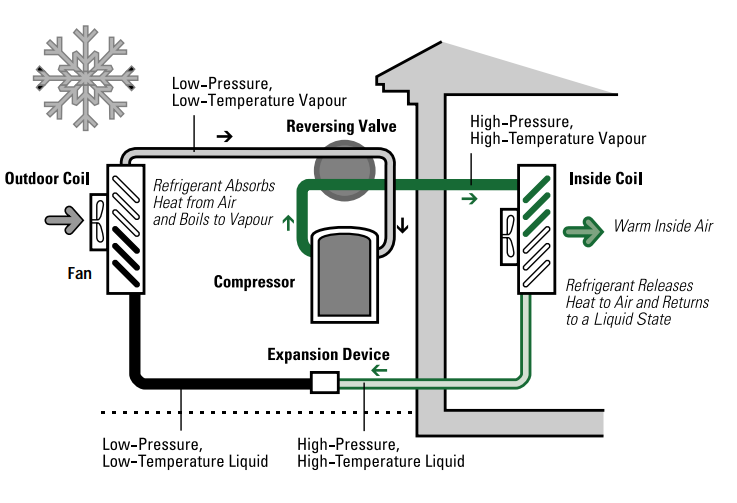
This is the system most Driffield homeowners end up with, particularly if you’re moving off oil or an ageing gas boiler. It draws heat from the outside air and feeds it into your existing radiators or underfloor heating. In a lot of cases, it can run through pipework you’ve already got, sometimes with a radiator upgrade or two to get the best out of it. It also tends to be the more affordable option to install, and the one most heating engineers are familiar with servicing long-term, which matters once the initial installation’s done.

Air-To-Air System
Instead of heating water for radiators, this system heats and cools the air in your property directly, through indoor units similar to air conditioning. It tends to suit properties without existing wet heating pipework, or homes already set up for ducted or split-type systems, better than trying to retrofit a standard air-to-water setup. One thing worth knowing: it doesn’t typically provide domestic hot water the way an air-to-water system does, so you’d usually need a separate solution for that if you go this route.
Ground Heat Pumps
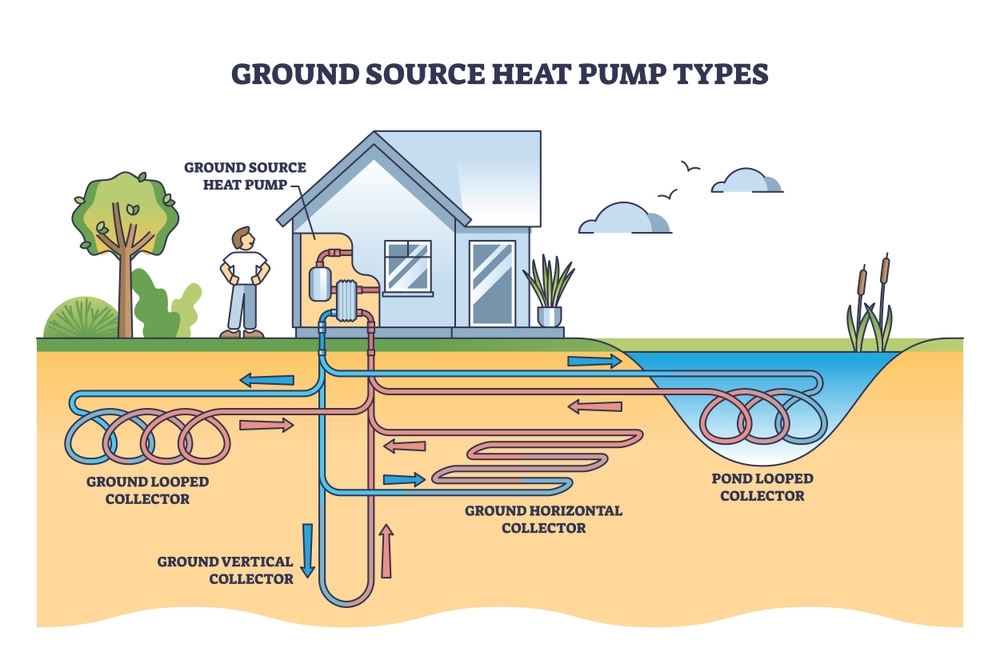
With Driffield surrounded by rural and semi-rural land, a ground source system is a realistic option if your property has the outdoor space for it. It draws heat from the ground rather than the air, which tends to stay more stable through the year, so it can run efficiently over the long term, often with lower running costs than an air source system once it’s in. The trade-off is a bigger, more disruptive installation upfront, since it involves digging trenches or boreholes to lay the ground loop, so it’s usually better suited to larger plots or new-build projects than a typical in-town terrace.

FAQs
You Can Find All Answers Here
It depends on your property size, current heating system, and which type you go for. We'll confirm an exact figure after visiting and surveying your home.
Yes, and it's one of the more common switches we make in and around Driffield. We'll talk through what changes with your heating setup as part of the survey.
Most homes are done within two to three days, depending on the system and whether any extra pipework or radiator work is needed.
Most are, though insulation and existing radiator sizing can affect performance. We'll assess this honestly rather than promising it'll work without checking first.
Often, yes, especially compared to oil or an old gas system, though the actual saving depends on your usage and how well insulated your home is. We'll set realistic expectations before you commit to anything.
Have Questions? We are Here to Help You!
ECOGDEA is among the world’s leading renewable energy solutions provider.